
The Story Behind KRISP Matcha
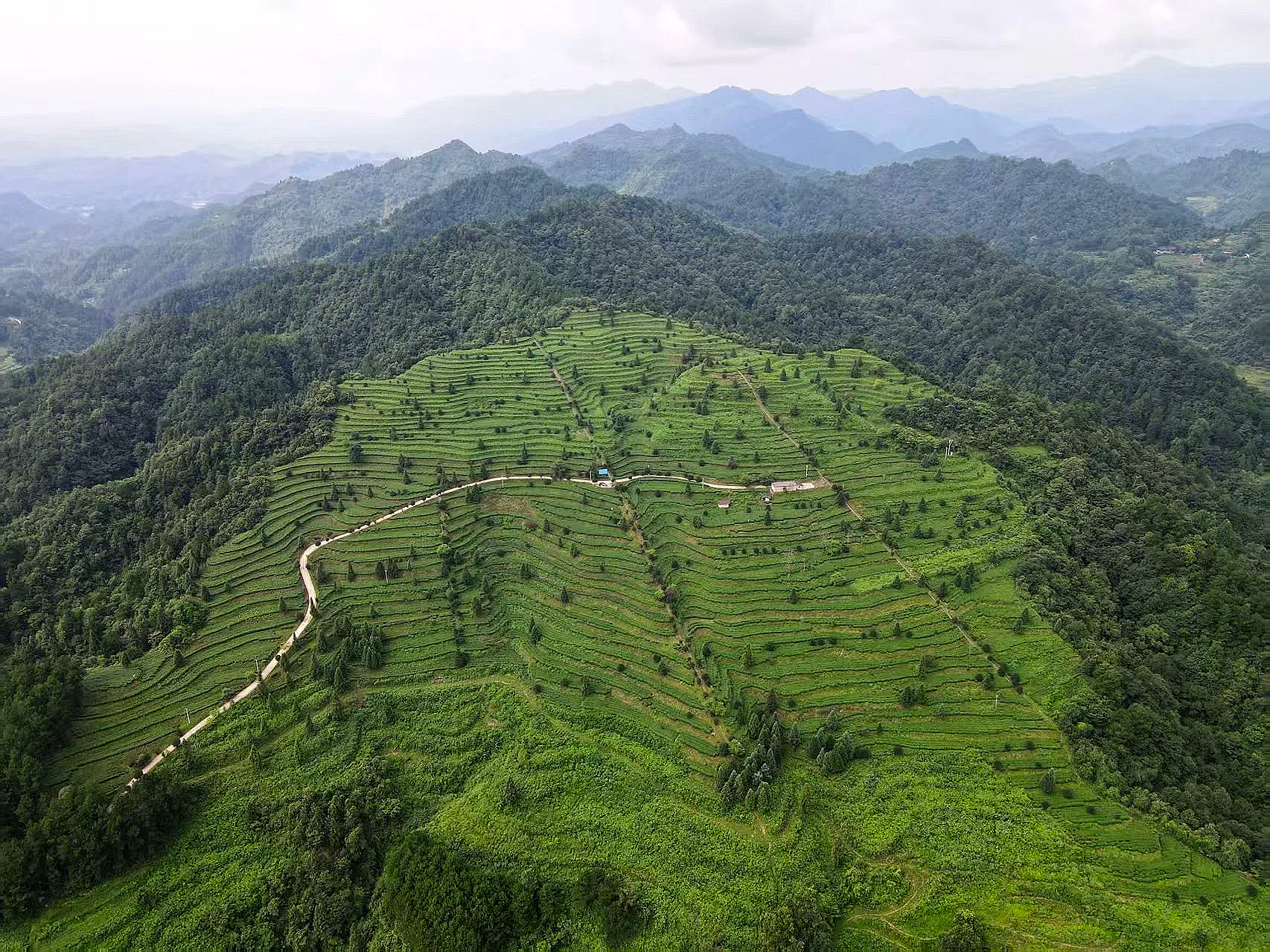
The matcha we know and love today has a long history — one that begins not in Japan, but in China.
During the Tang Dynasty (7th–10th century), tea leaves were steamed, sometimes salted, and compressed into bricks for trade. To prepare it, a piece was broken off, ground into powder, and whisked into hot water — a simple ritual, and the earliest blueprint for what would become matcha.
The craft evolved further during the Song Dynasty (960–1279), as stone-grinding techniques gave rise to the rich, frothy preparation we recognize today. Matcha made its way to Japan in the late 12th century, carried by Zen Buddhist monk Eisai upon his return from China. He brought back tea seeds, gifting them to fellow monk Myoue Shounin, who cultivated them near a temple in Uji — a region still celebrated as one of the world's finest matcha-producing areas today.
By the 20th century, matcha was a cornerstone of Japanese tea culture. In the 21st, it crossed borders entirely, embraced worldwide for its health benefits, versatility, and quiet elegance.
Why a Blend
Matcha has been cultivated in Japan for centuries, with each region and cultivar bringing its own character to the leaf — some prized for their sweetness, others for depth, umami, or vibrance.
We choose to blend different cultivars together because each one brings something different to the cup. By combining them thoughtfully, we're able to achieve a more balanced flavor profile — and just as importantly, greater consistency batch after batch. Think of it the way a winemaker blends grapes, or a coffee roaster blends beans: each variety contributes its strengths, and together they create something more well-rounded than any single note alone.
This is still early in our process, and we're continually refining our blends to bring out the best combinations of flavor, aroma, and texture. Our goal is simple — a full-bodied, balanced matcha you can count on, cup after cup.
wANT TO TRY OUR MATCHA?
Check out our online store to see what we offer.